
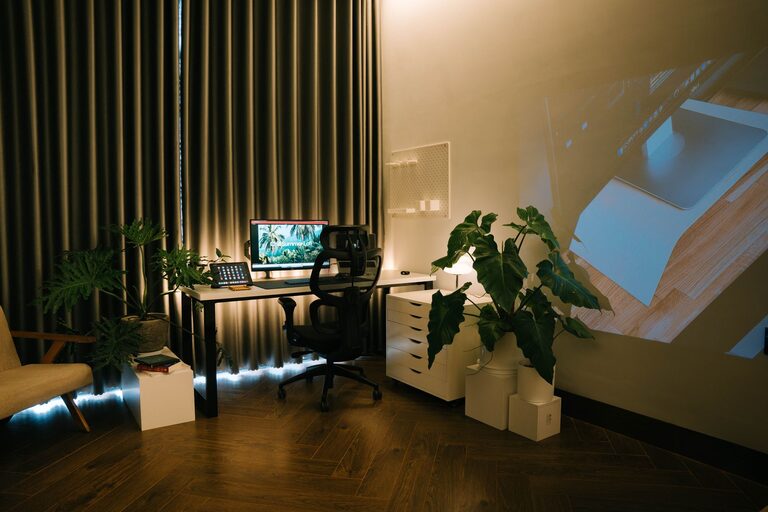
Creating a relaxing home workspace is essential for maintaining focus, reducing stress, and enjoying your workday, especially if you spend many hours at your desk. A well-designed workspace can improve productivity while promoting comfort and creativity. In this post, we’ll explore practical ideas and tips to help you create a peaceful home workspace tailored to your needs.
Why a Relaxing Workspace Matters
Your workspace environment directly affects your mood and work efficiency. A cluttered or uncomfortable area can increase stress and distract you, while a calming and organized setting encourages concentration and positive energy. Whether you work full-time from home or occasionally need a quiet spot, creating a relaxing space helps you feel balanced and motivated.
Step 1: Choose the Right Location
Choosing the perfect spot for your workspace is the first step. Ideally, find a quiet area with minimal distractions. Consider these factors:
– Natural light: Set up near a window to benefit from daylight, which can boost your mood and alertness.
– Away from high traffic: Avoid spots near busy household areas like the kitchen or living room.
– Sufficient space: Make sure there is room for your desk, chair, and any tools or equipment you need.
If space is limited, even a small corner with a desk can be transformed into a relaxing zone.
Step 2: Invest in Comfortable Furniture
Comfort is key for a relaxing workspace. Investing in ergonomically designed furniture can prevent discomfort and keep you focused.
– Chair: Choose an adjustable chair with good lumbar support to maintain proper posture.
– Desk: Select a desk at the right height for you. Standing desks or adjustable desks are great options if you prefer to change positions throughout the day.
– Additional seating: Add a small cozy chair or cushions where you can take short breaks.
Step 3: Declutter and Organize
A tidy environment helps clear your mind and reduces distractions. Here’s how to keep clutter at bay:
– Use storage solutions: Baskets, shelves, drawers, and organizers keep supplies neat and accessible.
– Keep only essentials on your desk: Limit items on your workspace to what you use daily.
– Create a filing system: Sort paperwork and digital files regularly to avoid build-up.
Maintaining an organized workspace invites a calm and productive vibe.
Step 4: Add Calming Colors and Decor
Colors and decor influence how you feel in a space. To foster relaxation:
– Choose soft, neutral colors: Shades like soft blues, greens, and beige promote calmness.
– Incorporate plants: Indoor plants improve air quality and add a touch of nature, which can reduce stress.
– Personalize wisely: Display a few meaningful items such as photos or artwork that inspire you without cluttering the space.
Avoid overly bright colors or too many decorations that can distract or overstimulate.
Step 5: Control Lighting and Noise
Proper lighting and noise levels greatly impact your comfort and concentration.
– Lighting: Use a combination of natural and artificial lighting. Desk lamps with adjustable brightness can reduce eye strain.
– Noise: Use noise-canceling headphones or white noise machines if noise is an issue. Soft background music or nature sounds can also help create a soothing atmosphere.
Adjust these elements to find the right balance for your personal preferences.
Step 6: Incorporate Mindful Breaks
Taking breaks is vital for maintaining relaxation and productivity. Set reminders to step away and recharge.
– Stretch or do gentle exercises to relieve tension.
– Practice deep breathing or mindfulness meditation for a few minutes.
– Enjoy a healthy snack or hydrate.
A dedicated area or comfortable chair nearby can encourage these restorative moments.
Step 7: Maintain Your Relaxing Workspace
Consistency is key to keeping your workspace inviting.
– Tidy your desk daily.
– Reassess your setup every few weeks to make improvements.
– Replace worn-out furniture or accessories that reduce comfort.
Regular upkeep helps sustain a relaxing atmosphere that supports your work goals.
—
With these steps, you can transform any space into a relaxing home workspace that enhances well-being and productivity. Remember, your workspace should reflect your needs and preferences, so feel free to adapt these suggestions to create a place where you enjoy working every day.