
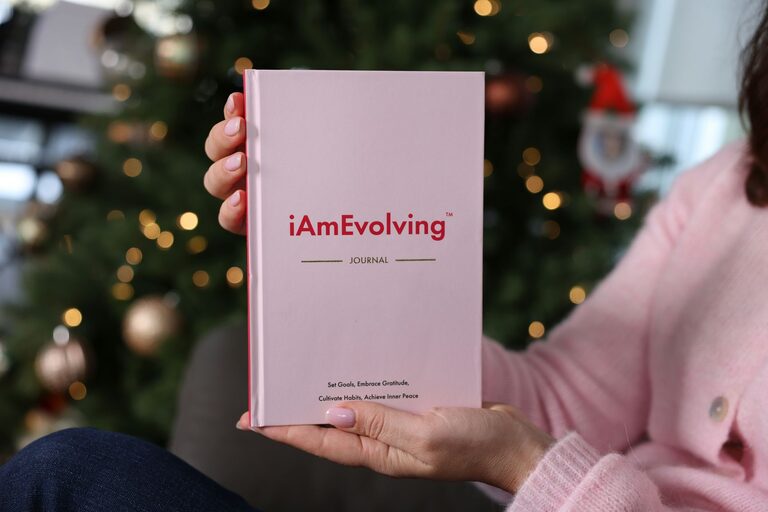
Keeping a gratitude journal is a powerful way to focus on the positive aspects of your life. It encourages mindfulness, improves mental well-being, and helps you appreciate the small joys each day brings. If you’re looking to start a gratitude practice but don’t know where to begin, this guide will walk you through easy steps to create your own gratitude journal.
What Is a Gratitude Journal?
A gratitude journal is a personal diary where you regularly write down things you are thankful for. These can be big or small moments, from a kind gesture by a friend to a beautiful sunset. The goal is to shift your attention toward positive experiences and foster an attitude of appreciation.
Benefits of Keeping a Gratitude Journal
Before diving into how to start, it’s helpful to understand why gratitude journaling can be beneficial:
– Boosts happiness: Focusing on positive moments increases overall life satisfaction.
– Reduces stress: Reflecting on good things helps lower stress levels.
– Improves sleep: Writing about what you’re grateful for before bed can improve sleep quality.
– Enhances mindfulness: Encourages you to live more in the present moment.
– Strengthens relationships: Recognizing kindness fosters deeper connections with others.
How to Start a Gratitude Journal
Starting a gratitude journal is simple and requires no special skills. Here’s a step-by-step approach:
1. Choose Your Journal
Decide how you want to keep your gratitude journal. Options include:
– A physical notebook or diary
– A dedicated app on your phone or tablet
– A digital document or online journal
Pick the method that feels most comfortable and accessible to you.
2. Set a Regular Time
Consistency helps build a habit. Choose a time that works best for you to write in your journal. Many people prefer:
– Morning: To begin the day with a positive mindset
– Evening: To reflect on the day’s events before sleep
Start with just 5 minutes a day.
3. Keep It Simple
Start by listing 3 to 5 things you are grateful for each day. These don’t need to be monumental—they can be as simple as:
– A delicious meal
– A kind word from a colleague
– A smile from a stranger
4. Be Specific
Instead of general statements like “I’m grateful for my family,” try to write about particular moments, such as “I’m grateful my sister called me today and made me laugh.”
5. Reflect on Why
Adding a sentence or two about why you’re grateful for something can deepen your appreciation and make the practice more meaningful.
6. Include Positive Experiences and Achievements
Gratitude isn’t only for external things; you can appreciate your own efforts and accomplishments too. For example:
– “I’m grateful I completed my workout today.”
– “I’m thankful for learning something new at work.”
Tips to Keep the Practice Going
– Make it enjoyable: Use colorful pens, stickers, or drawings if that helps.
– Don’t worry about perfection: Your entries don’t need to be long or polished.
– Mix it up: Try gratitude prompts or themes to keep it interesting.
– Share gratitude: Occasionally share your gratitude with others—it can strengthen bonds.
– Be patient: Like any habit, it takes time to see the full benefits.
Sample Gratitude Journal Entries
Here are a few examples to inspire your writing:
– “Today, I’m thankful for the warm cup of coffee that helped me start my morning peacefully.”
– “I appreciate my friend Sarah for listening to me vent about work.”
– “I’m grateful for the sunny weather that lifted my mood.”
– “I feel thankful for finishing my project ahead of schedule.”
Gratitude Prompts to Try
If you’re unsure what to write, here are some prompts to get started:
– What made you smile today?
– What is something you often take for granted but appreciate?
– Who has positively impacted your life recently?
– What is a challenge you overcame that you feel grateful for?
– What are three good things that happened this week?
Final Thoughts
Starting a gratitude journal doesn’t require much time or effort, but the rewards can be significant. By regularly acknowledging the positives in your life, you cultivate joy, resilience, and a more mindful perspective. Remember, there’s no right or wrong way to do it—just begin writing and allow your gratitude practice to grow naturally.
Give it a try today, and experience how focusing on gratitude can brighten your everyday life.